
How to prevent anal discomfort
Hemorrhoids are the most common anal discomfort that people see a doctor about. The good news is that hemorrhoids, while very common, can often be prevented by making a few lifestyle changes. 1
If you have developed the uncomfortable symptoms of hemorrhoids or anal fissures, it is probably because hard stools are causing you to strain when you sit on the toilet. The only proven preventative measure for hemorrhoids is to keep your bowel movements regular by drinking plenty of water and eating fiber-rich foods such as whole grains, fruits, and vegetables. Studies show that 30 to 40 grams of fiber per day is needed to prevent anal disease. When it comes to hemorrhoids, 50 grams of fiber makes a world of difference. 1,2
The importance of a healthy lifestyle
A healthy lifestyle is the best way to prevent anal discomfort. But what does a healthy lifestyle entail and why is it important? According to the World Health Organization, a healthy lifestyle is “a way of living that reduces the risk of developing a serious disease or dying prematurely.” Many undiscussed diseases can be completely prevented by changing a few of our habits, especially when it comes to diet and exercise. Of course, a healthy lifestyle goes beyond simply preventing disease. It is also essential for physical, mental and social well-being. To enjoy life to the fullest, and especially for longer. 3
What does science tell us
The science is clear – these basic principles will help you live a healthy life and prevent disease:3,4
Don’t smoke, and if you already smoke – quit!
Tobacco use can lead to years of illness and disability, not to mention premature death.
Be physically active
Exercise is not just important for athletes – physical activity is necessary to stimulate the built-in maintenance systems of our bones, joints, muscles and organs and keep them younger.
Eat healthy
Whole grains, fruits and vegetables are rich in fiber and other beneficial components and should make up the bulk of your diet. Limit your intake of red meat and animal fats, as many of these can contribute to disease.
Drink in moderation
Alcohol can damage your health and increase your risk of injury, so don’t drink more than one or two alcoholic drinks per day.
How to care for your anus
In addition to exercise and a healthy diet to keep your bowels regular, good toilet practices and anal hygiene help prevent discomforts such as hemorrhoids and anal fissures. Therefore, choose underwear made of plain cotton and avoid wearing irritating clothing such as thongs and tight pants. 4
Bathroom habits
The basis for preventive care of your anus is to go to the toilet without delay when you feel the urge to defecate. Try not to tense the anal muscles too much during defecation and do not stay on the toilet for more than a few minutes. Do not rub the anus excessively with toilet paper, as this can abrade and damage the skin. If you already have an itchy or painful anus, try to gently dab the area with a wet cloth after defecation instead of using toilet paper, then dab dry, air dry or use a hairdryer on low or medium setting. 5
Preventive hygiene practices
Preventative care also includes cleaning the anal area daily with water or a non-soap cleanser, as soap dries out the skin around the anus, which can cause itching. Never use moist wipes that are not specifically formulated to treat hemorrhoids, as the chemicals in regular wipes can trigger or worsen itching and irritation. A warm sitz bath is another home treatment that can help relieve your discomfort. 5, 6
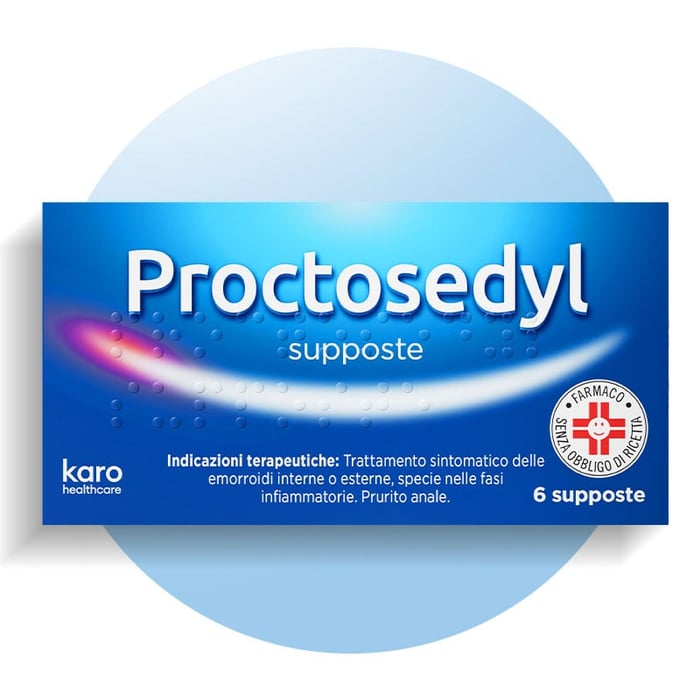
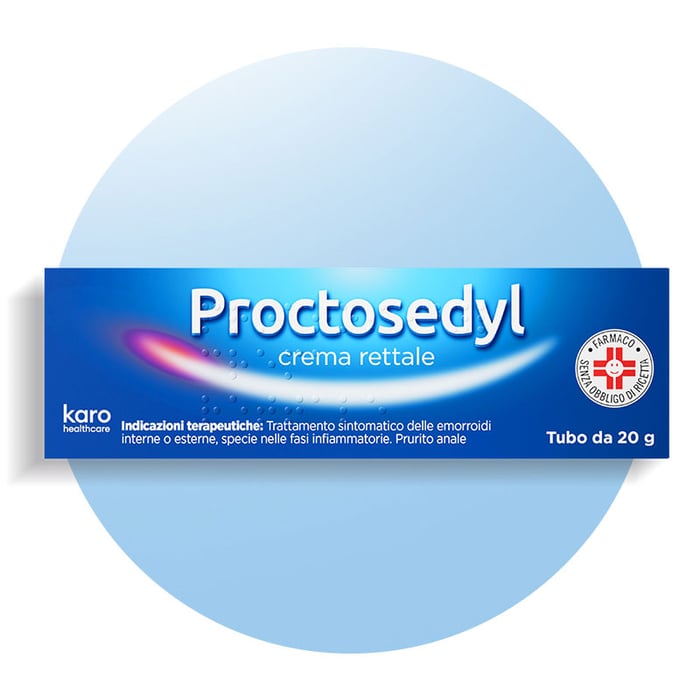
Anal discomfort often goes away on its own without treatment, but if it doesn’t and you are concerned about your symptoms, don’t hesitate to consult a doctor. An over-the-counter product for fast relief from itching and pain in the anal area. 5
Related products
References
- The Diagnosis and Management of Haemorrhoidal Disease from a Global Perspective. Abramowitz, Laurent. Alimentary Pharmacology & Therapeutics. Volume 31, Supplement 1, May 2010
- www.ncbi.nlm.nih.gov/pmc/articles/PMC5101094/ 2020-10-25
- www.kznhealth.gov.za/healthyliving.pdf 2020-10-25
- www.ncbi.nlm.nih.gov/pmc/articles/PMC5101094/ 2020-10-25
- www.healthdirect.gov.au/anal-care 2020-10-25
- www.ncbi.nlm.nih.gov/pmc/articles/PMC5101094/ 2020-10-25