
What causes haemorrhoids?
We’re all born with haemorrhoids, small, blood-filled pads found in and around the anus. The pads help control continence by collapsing when we pass stool, then expanding again to close the seal.
If these cushions are a normal part of our anatomy, what causes haemorrhoids to become a problem? Haemorrhoids, also known as piles, become a problem only when the tissue surrounding the cushions loses its elasticity and the haemorrhoids prolapse, or when a blood clot (thrombosis) forms in one of the cushions. The cause of haemorrhoids is often unknown, but increased pressure on the rectum is believed to play a significant role.
Aging and constipation are common factors that contribute to the development of the disease; furthermore, there may be a link between stress and haemorrhoids, as stress is believed to trigger inflammation. A healthy lifestyle can help prevent haemorrhoids, but sometimes treatment is necessary.1,2,3
There are many theories about the cause and prevention of haemorrhoids, some more accurate than others:
Constipation and haemorrhoids
Hard stools due to chronic constipation and straining during bowel movements can cause haemorrhoids in the anus to protrude or swell. If haemorrhoids flare up, it’s important to go to the bathroom as soon as you feel the urge, as delaying bowel movements only worsens constipation.4,5
Diet and haemorrhoids
Low-fiber diets and haemorrhoids go hand in hand, as low-fiber diets are one of the most common causes of constipation. Eating a high-fiber diet, rich in whole grains, fruits, and vegetables, is one of the best ways to prevent haemorrhoids. Avoid low-fiber foods, such as cheese, fast food, chips, ice cream, and processed and prepared foods. It’s also important to drink plenty of water to help soften stools so you don’t have to strain during bowel movements.2,6
Spicy foods and haemorrhoids
It’s a common belief that spicy foods and haemorrhoid are linked, but studies have found no evidence to support the idea that spicy foods worsen haemorrhoid symptoms. However, anal fissures—small tears in the anus—may be a different story. In one study, consuming red chili peppers for a week worsened the symptoms of anal fissures, causing a burning sensation.7,8
Sitting too long and haemorrhoids
When you stand or sit for too long at work, gravity presses on haemorrhoids, causing irritation. If you spend most of your day in an office chair, you can reduce your risk of developing haemorrhoids by taking short breaks to walk around the office or doing stretching exercises to stimulate blood flow throughout your body.
Obesity and haemorrhoids
Haemorrhoids are very common in overweight or obese people. This is because excess weight increases pressure on the rectum and blocks the blood vessels and veins in the anal area. Furthermore, obesity is often the result of a low-fiber diet, which can also increase the risk of haemorrhoids.
Exercise and haemorrhoids
People who don’t walk regularly are at greater risk of developing haemorrhoids. Exercise, however, can help prevent haemorrhoids by increasing blood flow and muscle strength, as well as promoting regular bowel movements. Swimming, walking, yoga, and pelvic floor exercises are good choices if you suffer from haemorrhoids, while it’s best to avoid exercises that can worsen symptoms, such as horseback riding, cycling, and weight lifting.
Pregnancy and haemorrhoids
Many women develop haemorrhoids during and after pregnancy. This may be due in part to hormones and in part to the baby putting pressure on blood vessels in the pelvic area. Pushing during labor can also cause haemorrhoids, but symptoms usually improve after the baby is born.12,13
Haemorrhoids treatment
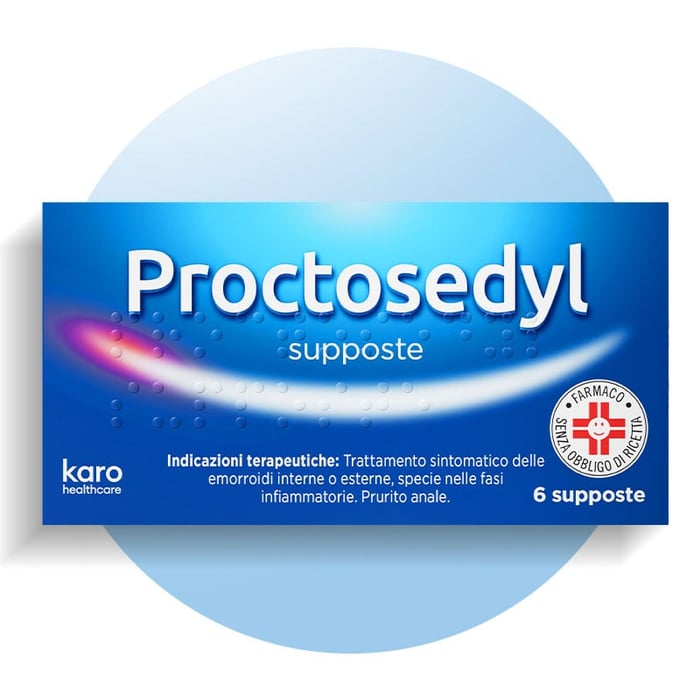
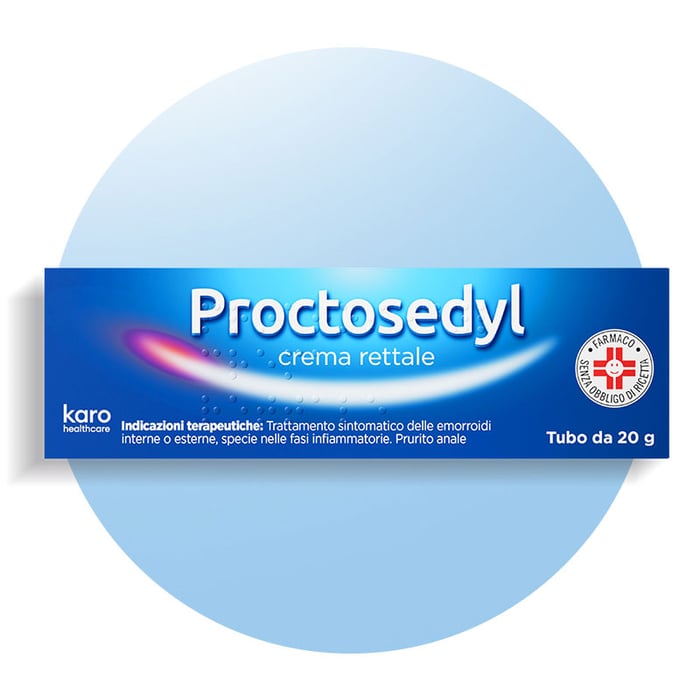
With some lifestyle changes, haemorrhoids often disappear on their own. But if dietary changes and regular exercise don’t help, there are over-the-counter treatments that can provide quick relief from the bothersome symptoms of haemorrhoids. Home treatments typically include a cream, suppositories, or a combination of both.
Related products
References
- Abramowitz L. The Diagnosis and Management of Haemorrhoidal Disease from a Global Perspective. Aliment Pharmacol Ther. May 2010;31(1):1-58.
- www.healthyhorns.utexas.edu/HT/HT_hemorrhoids.html 2020-10-29
- www.mayoclinic.org/diseases-conditions/hemorrhoids/symptoms-causes/ 2020-10-29
- www.health.harvard.edu/diseases-and-conditions/self-help-steps-to-get-through-hemorrhoid-flare-ups 2020-10-29
- www.ncbi.nlm.nih.gov/books/NBK279466/ 2020-10-29
- iuhealth.org/thrive/5-top-hemorrhoids-myths-and-the-truth-about-treatment 2020-10-30
- pubmed.ncbi.nlm.nih.gov/16708161/ 2020-10-30
- www.uchicagomedicine.org/forefront/health-and-wellness-articles/spicy-foods-healthy-or-dangerous. 2020-10-30
- lacolon.com/article/can-prolonged-sitting-cause-hemorrhoids 2020-10-29
- www.carepointhealth.org/relationship-hemorrhoids-obesity/ 2020-10-30
- www.ncbi.nlm.nih.gov/pmc/articles/PMC4192796/ 2020-10-30
- www.bupa.co.uk/health-information/digestive-gut-health/haemorrhoids 2020-10-29
- www.urmc.rochester.edu/encyclopedia/content.aspx?contenttypeid=85&contentid=p00374 2020-10-29