
What are the symptoms of haemorrhoids?
Haemorrhoids can be a real pain. But while a painful lump on the anus can be a sign of haemorrhoids, it’s certainly not the only symptom of this common rectal condition. Painless bleeding when going to the bathroom, anal itching, and fecal incontinence are other common signs that something is wrong.
Haemorrhoid symptoms range from very mild to severe and are often a recurring problem.1 The good news is that if you treat your haemorrhoids, your symptoms are less likely to become severe.
How do you know if you have haemorrhoids?
Your doctor can provide you with more information. Haemorrhoid symptoms typically vary depending on whether they are internal or external. Internal haemorrhoids are located in the lower rectum and rarely cause pain or discomfort unless they prolapse. Doctors typically grade internal haemorrhoids on a scale of 1 to 4, depending on their severity. Grade 1 haemorrhoids bleed but do not prolapse, while grade 4 haemorrhoids are so prolapsed that they cannot be pushed back into place. External haemorrhoids develop near the anus and can be very uncomfortable. 2,3 If you have haemorrhoids, you may experience one or more of these symptoms:
Anal itching and swelling
Haemorrhoids often begin with an irresistible urge to scratch your butt. But why do haemorrhoids itch? The answer is that the skin covering external haemorrhoids erodes and becomes inflamed over time, causing itching. And if you start scratching the irritated skin, the problem will only get worse.4,2
Painless rectal bleeding
If you notice traces of blood on the toilet paper when wiping after a bowel movement, you may have bleeding haemorrhoids. Bright red blood may also drip into the toilet. Painless bleeding during bowel movements is typically caused by internal haemorrhoids and is one of the most common symptoms of haemorrhoids.3
Pain when sitting down
Painful haemorrhoids are usually the result of swollen, protruding haemorrhoid tissue from the anus.
Impairment of anal continence
In a healthy rectum, haemorrhoids provide a watertight seal to the anus, keeping stool in place. But when haemorrhoids become displaced and inflamed, their ability to control continence is compromised, and loose stool and mucus may begin to leak.4
Prolapsed internal haemorrhoids
Internal haemorrhoids are usually neither seen nor felt, but they often prolapse, causing pain, irritation, and itching.5
Painful lump on the anus
If you see or feel an anal lump, it may be due to a blood clot (thrombus) forming in an external haemorrhoids. The blood clot may be swollen or tender and sometimes has a bluish color.6
What do haemorrhoids look like?
Remember that haemorrhoids aren’t the only condition that causes anal itching and bleeding. Don’t hesitate to consult a healthcare professional to rule out the diagnosis.
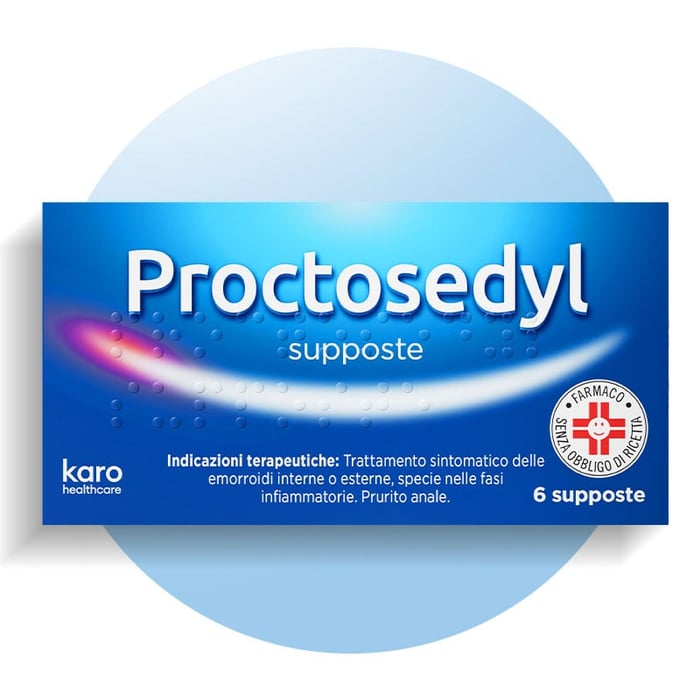
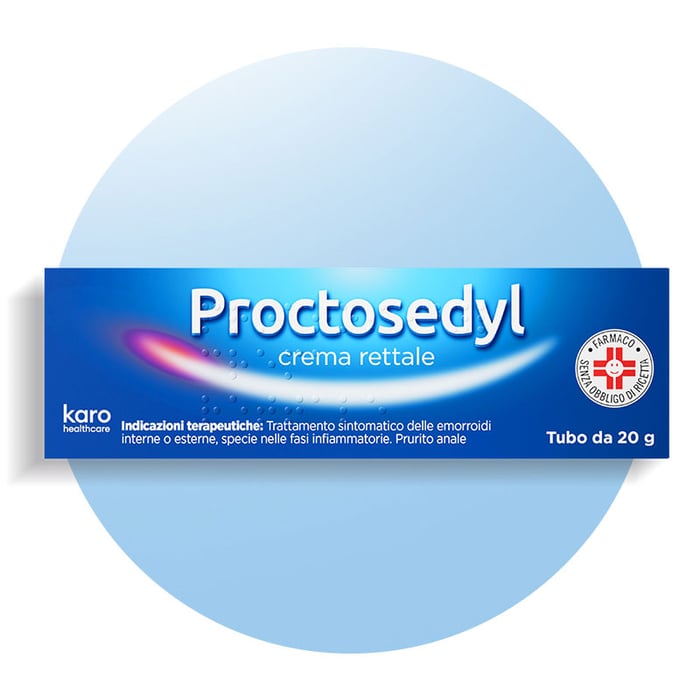
Related products
References
- Hemorrhoids and what to do about them. Harvard Health Publishing. [Online] 2019 Feb 6. [Accessed 2019/06/07].
- www.health.harvard.edu/diseases-and-conditions/hemorrhoids_and_what_to_do_about_them 2020-10-13
- www.ncbi.nlm.nih.gov/pmc/articles/PMC3342598/ 2020-10-16
- The Diagnosis and Management of Haemorrhoidal Disease from a Global Perspective. Abramowitz, Laurent. Alimentary Pharmacology & Therapeutics. Volume 31, Supplement 1, May 2010
- www.mayoclinic.org/diseases-conditions/hemorrhoids/symptoms-causes/syc-20360268 Accessed 2020-10-13
- www.med.umich.edu/1libr/Surgery/GenSurgery/ThrombosedHem.pdf Accessed 2020-10-13